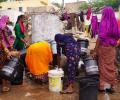
In Rajasthan's Karauli district, a decade ago, rampant drought and dwindling water sources forced many men into a life of dacoity, leaving their families in fear. However, the women of Karauli, tired of the despair, took matters into their own hands. They persuaded their husbands to give up their lives of crime and together they began reviving old water bodies and constructing new ones with the help of a local NGO. This community-led effort, which included building pokhars (water bodies) and reviving the Serni River, resulted in a remarkable transformation, bringing stability and hope to the region, and turning former dacoits into thriving farmers.
From the 30-share Sensex pack, Adani Ports surged nearly 6 per cent. NTPC, Axis Bank, State Bank of India, Larsen & Toubro, UltraTech Cement, Tata Motors, HDFC Bank and Reliance Industries were the other big gainers. Bharti Airtel, ITC, Sun Pharma, Asian Paints and Kotak Mahindra Bank were the laggards.

Bajaj Finance, Bajaj Finserv, NTPC, State Bank of India, Power Grid, HDFC Bank, Tech Mahindra and Asian Paints were the other gainers. However, Zomato, Adani Ports, Tata Consultancy Services, Mahindra & Mahindra, Maruti and Tata Motors were among the laggards.


From the 30-share blue-chip pack, Tata Steel, NTPC, Kotak Mahindra Bank, IndusInd Bank, Power Grid, Zomato, Adani Ports, Asian Paints, Mahindra & Mahindra and Reliance Industries were among the biggest laggards. Titan and Sun Pharma were the only gainers.
NTPC, Power Grid, Kotak Mahindra Bank, Maruti, Tech Mahindra, Larsen & Toubro, Reliance Industries and Adani Ports were the other big gainers. Mahindra & Mahindra, Bajaj Finserv, Bajaj Finance, Axis Bank and Tata Motors were among the laggards.

Market downturns or regulatory shifts can reduce liquidity, making it harder to buy or sell assets when needed.

From the 30-share Sensex pack, Power Grid, Tata Steel, Zomato, Titan, Bajaj Finance, Mahindra & Mahindra, NTPC and Tata Motors were among the major laggards. Kotak Mahindra Bank, Bharti Airtel, HCL Tech, Tech Mahindra, ICICI Bank and Tata Consultancy Services were the gainers.

Jorhat has many attraction to offer for the discerning and offbeat traveller.

From the 30 blue-chip pack, Tata Motors, Titan, Tata Steel, State Bank of India, Mahindra & Mahindra, NTPC, ICICI Bank, Maruti, HDFC Bank and Infosys were among the biggest laggards. Zomato, Tech Mahindra, HCL Tech and IndusInd Bank were among the gainers.

Maruti, Bajaj Finance, Titan, Kotak Mahindra Bank, HDFC Bank, IndusInd Bank, Mahindra & Mahindra and Larsen & Toubro were among the major gainers. Wipro, HCL Technologies, Nestle, Tata Consultancy Services and Tata Motors were among the laggards.
As the Indian stock markets tumble under the panic set off by US President Donald Trump's tariff tantrums, three market experts weigh in on the reasons behind this fall, how much pain is left and how should investors adapt their strategies to invest in markets.

Stock markets snapped their five-day losing run on Friday with the benchmark BSE Sensex closing higher by 75 points on value-buying in banking and oil shares after recent losses. The 30-share BSE Sensex rose by 75.71 points or 0.10 per cent to settle at 73,961.31. During the session, it hit a high of 74,478.89 points and a low of 73,765.15 points.

Industry players said the sharp sell-off in February forced many companies to put off their listing plans

Dr Pananjay Tiwari, founder and director of Impel Overseas Education, highlights what international students should keep in mind in order to be safe in a new country and avoid being deported.

The equity benchmark indices posted their strongest weekly gains in years, driven by bargain hunting and optimism over a reversal in foreign portfolio investor (FPI) outflows. The Sensex rose 558 points, or 0.7 per cent, on Friday to close at 76,906, while the Nifty 50 gained 160 points to end at 23,350. Over the past five sessions, both indices advanced around 4.3 per cent - marking the Sensex's best weekly performance since July 22, 2022, and the Nifty 50's strongest rally since February 5, 2021.
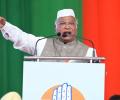
Congress president Mallikarjun Kharge has accused the BJP of rigging the Maharashtra assembly elections and called for a return to ballot paper voting. He also criticized the Modi government for selling off public assets, undermining democratic institutions, and promoting communal polarization. Kharge's remarks come as the Congress prepares for its AICC session in Ahmedabad, where it will present its political and economic views.
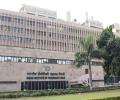
Major recruiters, with double-digit offers at IIT campuses this year so far, include American Express, Barclays, BCG, Cars24, Deutsche Bank, Goldman Sachs, Google, Intel India, Meesho, Micron Technology, Microsoft, OLA, Oracle, Reliance, and Qualcomm.

Among Sensex shares, Zomato, NTPC, Adani Ports, ICICI Bank, State Bank of India, Reliance Industries, Mahindra & Mahindra, Bajaj Finance, Tech Mahindra and Axis Bank were the major laggards. UltraTech Cement and HCL Technologies were the only gainers.
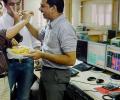
Benchmark BSE Sensex rebounded sharply by 941 points while NSE Nifty closed above the 22,600 level on Monday on the back of buying in banking and infra shares and a global stocks rally. The 30-share BSE Sensex jumped 941.12 points or 1.28 per cent to settle at 74,671.28. During the day, it zoomed 990.99 points or 1.34 per cent to 74,721.15.

Stock exchanges' levy of penalties, ranging from Rs 3 lakh to Rs 12 lakh, on public-sector undertakings (PSUs) for lapses in board composition for the 2024-25 October-December quarter has brought forth issues of governance. Last month, 16 PSUs requested bourses to waive these penalties, arguing that these lapses were neither due to negligence nor within their control, as the appointment of directors is managed by the government.

'When Dr Murli Manohar Joshi wanted to start a course on astrology, Jayant was the first one to have the courage to stand up and say astrology is not science.' 'That's a very rare quality -- to stand up to authority.'

Shekhar Kumar, an HR expert, talent, and client acquisition leader at SEPL offers advice on how to grow professionally.
Among Sensex shares, Maruti, Mahindra & Mahindra, Larsen & Toubro, Bajaj Finance, Tata Motors, IndusInd Bank, Asian Paints, Power Grid, HDFC Bank and Axis Bank advanced. Tata Steel, Adani Ports, Zomato, HCL Tech, State Bank of India, Hindustan Unilever and Tech Mahindra were among the laggards.

'The new Waqf bill sows the seed for conflict in every town and village of India.'
Mahindra & Mahindra, Bharti Airtel, Infosys, Tata Motors, Titan, Tata Consultancy Services, Nestle and Maruti were also among the major laggards. HDFC Bank emerged as the only gainer from the pack.
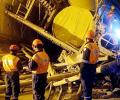
As sludge started solidifying inside the Srisailam Left Bank Canal tunnel in Telangana, rescuers are planning to use sniffer dogs to locate those got trapped, District Collector B Santhosh said on Wednesday.
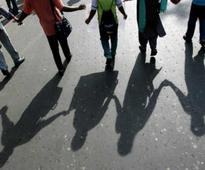
Banks may also rate students every year and fix interest rates according to the ratings.

The Union finance ministry will meet CEOs of public sector banks to discuss issues related to cybersecurity in the wake of the Rs 820 crore (Rs 8.2 billion) fraud that hit Kolkata-based UCO Bank last month.

Rescue efforts continue in Telangana for eight people trapped in a collapsed tunnel, but hopes for their survival are fading as experts from the Geological Survey of India and the National Geographical Research Institute have been brought in. The tunnel is filled with debris, making the rescue operation extremely difficult. Despite relentless efforts by the Indian Army, Navy, NDRF, and other agencies, no breakthrough has been achieved so far.
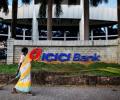
An in-line ICICI Bank result for the quarter ended March 31, 2024, has led to analysts raising target price and earnings per share (EPS) forecast on the stock. ICICI Bank, they said, appeared least vulnerable to regulatory action on its digital offerings or for risk monitoring lapses.

Titan, Nestle, Hindustan Unilever, State Bank of India, Larsen & Toubro, ITC, Zomato and Bajaj Finserv were also among the laggards. Adani Ports, IndusInd Bank, Tata Motors and HDFC Bank were among the major gainers.

Eight persons -- engineers and labourers have been trapped under the collapsed roof of the Srisailam Left Bank Canal (SLBC) tunnel since February 22 and the rescue operations are on in full swing to pull them out to safety .
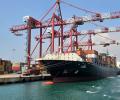
The government is looking to give Bharat Global Ports a certain amount of domestic exposure after it set up the state-owned consortium to increase India's global maritime heft, officials aware of the development said. The intended domestic exposure is meant to give the consortium experience and build its credentials for international projects.
The changes will take effect on March 28, with portfolio adjustments expected before the market closes on March 27.
From the 30-share blue-chip pack, Mahindra & Mahindra, Zomato, Tata Motors, IndusInd Bank, Reliance Industries, Larsen & Toubro, UltraTech Cement, HDFC Bank, Adani Ports and Bajaj Finserv were among the major laggards. On the other hand, Hindustan Unilever, Tech Mahindra, Nestle, Bharti Airtel and ICICI Bank were among the gainers.

'Just the amount of work which is there just to become more and more successful in banking. For this to happen you need to have leaders who understand technology.'

From the 30-share Sensex pack, Mahindra & Mahindra, Tech Mahindra, HDFC Bank, Titan, Tata Motors, UltraTech Cement, Power Grid and Infosys were the biggest gainers. In contrast, Reliance Industries, State Bank of India, Bajaj Finserv, Maruti, Tata Steel and Bharti Airtel were among the laggards.

'I think today RBI supervision is much sharper than what it was earlier.'
From the 30-share blue-chip pack, ITC Hotels, IndusInd Bank, Mahindra & Mahindra, Sun Pharma, UltraTech Cement and NTPC were among the biggest gainers. Titan, Kotak Mahindra Bank, Nestle, Asian Paints, HCL Tech and ICICI Bank were among the laggards.
 © 2026 Rediff.com - Advertise with us - Disclaimer - Privacy Policy - Sitemap - Feedback - About us - Terms of use - Grievances